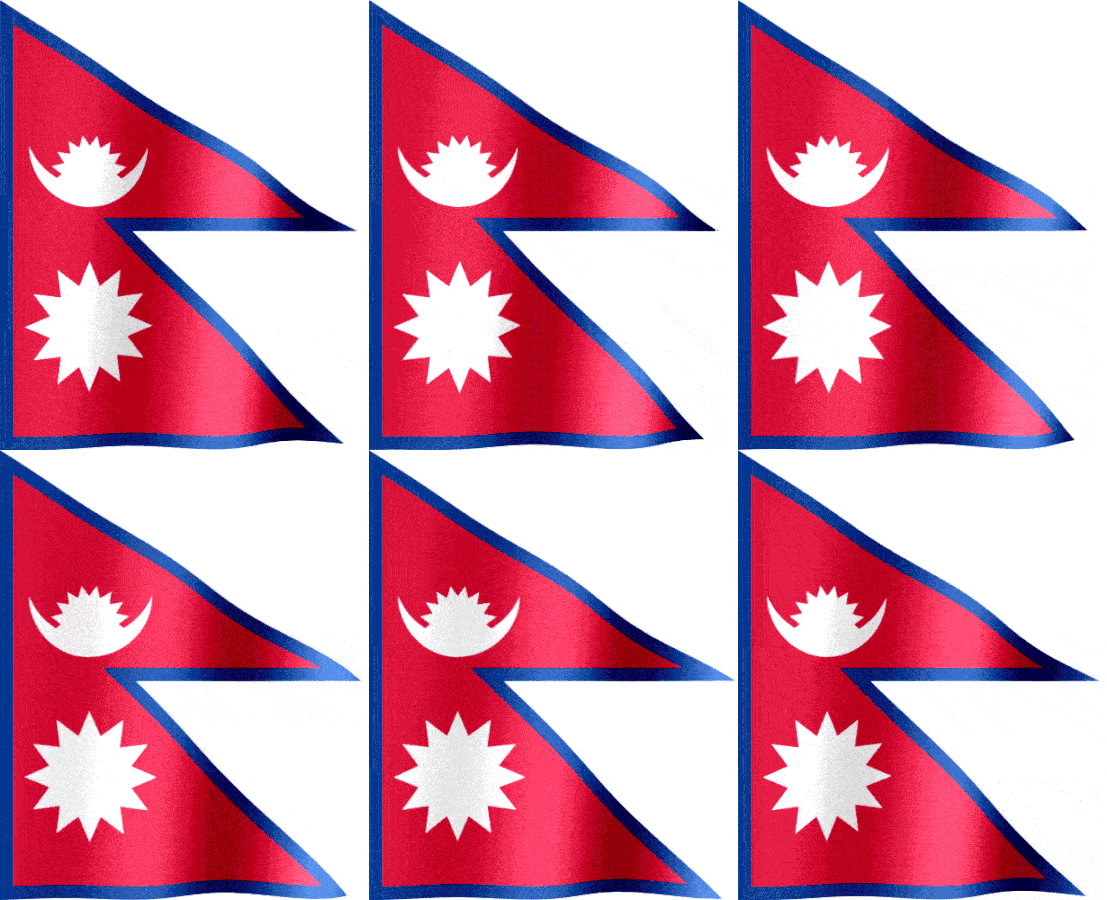
About Nepal Country: A Comprehensive Guide to the Himalayan Nation
Note for Students
This comprehensive essay about Nepal is perfect for class 8-12 students. It covers all important aspects of Nepal including geography, culture, economy, and history. You can use this as a reference for your exams and assignments.

About Nepal Country – Nepal is a beautiful nation, filled with natural beauty, enriched by cultural diversity, and bearing great historical significance. Nestled in the lap of the Himalayas, Nepal is famous worldwide, particularly as the country that is home to the world’s highest peak, Sagarmatha (Mt. Everest). Not only for its natural beauty, but Nepal has also established a distinct identity due to the co-existence of its traditions, culture, ethnicities, and religions.
Cultural Diversity and Social Harmony in Nepal
Nepal is a multilingual, multicultural, and multi-ethnic nation. More than 125 ethnic groups and over 123 languages are spoken here. Despite such immense diversity, Nepalis have always lived in an environment of mutual harmony, tolerance, and brotherhood. Respecting religions like Hinduism, Buddhism, Kirant, Islam, and living together in coexistence is a beautiful characteristic of the citizens of Nepal. This very cultural diversity and harmony makes Nepal even more attractive.


Natural Resources and Geography of Nepal
Nepal is also a country rich in natural resources. It is home to vast mountains, hills, the green plains of the Terai, forests, and great rivers like Gandaki, Karnali, and Koshi. Tourism is one of the main pillars of Nepal’s economy. Every year, hundreds of thousands of tourists visit Nepal to see its mountains, temples, wildlife, lakes, and historical sites. Pokhara, Lumbini, Janaki Temple, Patan Durbar Square, and Chitwan National Park are major tourist destinations. Lumbini, the birthplace of Lord Buddha, is a center of faith for millions of peace-loving people around the world.
Geographical Facts About Nepal
Nepal is located in South Asia, bordered by China to the north and India to the south, east, and west. It covers an area of 147,516 sq km and has a population of approximately 30 million. The country is divided into three main geographical regions: the Himalayan region, the Hilly region, and the Terai region.
Economy and Development in Nepal
As Nepal is an agricultural country, the livelihood of most people depends on farming and animal husbandry. However, a lack of modern technology, insufficient industries, and a scarcity of employment opportunities force many youths to go abroad. Remittances coming from abroad provide significant support to the country’s economy. Currently, Nepal is gradually progressing in the fields of energy, tourism, hydroelectricity, and infrastructure development.
Historical Significance of Nepal
Nepal is known not only for its beauty but also for its brave history. Prithvi Narayan Shah unified various states and established Nepal as a distinct and independent nation. The sentiment of “Four Castes and Thirty-Six Sub-castes” was a key principle of his unification campaign.

Challenges and Opportunities for Nepal
However, Nepal is also facing challenges such as political instability, lack of employment, and delays in development works. But due to its natural beauty, cultural richness, religious diversity, and hardworking citizens, Nepal is a nation with great potential for progress.
Essay on Nepal in Nepali (नेपाल देश – निबन्ध)
नेपाल एक प्राकृतिक सौन्दर्यले भरिएको, सांस्कृतिक विविधताले समृद्ध र ऐतिहासिक महत्व बोकेको सुन्दर राष्ट्र हो। हिमालयको काखमा बसेको नेपाल विश्वभरि प्रसिद्ध छ, विशेषगरी संसारकै सबैभन्दा अग्लो शिखर, सगरमाथा (Mt. Everest) स्थित भएको देशको रूपमा। प्राकृतिक सुन्दरताबाट मात्र होइन, नेपालले आफ्ना परम्परा, संस्कृति, जातजाति र धर्महरूको सह-अस्तित्वका कारण पनि विशेष पहिचान बनाएको छ।
नेपाल एउटा बहुभाषिक, बहुसांस्कृतिक र बहुजातीय राष्ट्र हो। यहाँ १२५ भन्दा बढी जातजाति र १२३ भन्दा बढी भाषाहरू बोलिन्छन्। यति धेरै विविधता हुँदाहुँदै पनि नेपालीहरू आपसी सद्भाव, सहिष्णुता र भाइचाराको वातावरणमा बस्दै आएका छन्। हिन्दू, बौद्ध, किराँत, इस्लाम लगायतका धर्महरूलाई सम्मान गर्दै सहअस्तित्वमा जीउनु नेपालका नागरिकहरूको सुन्दर विशेषता हो। यही सांस्कृतिक विविधता र सौहार्द नै नेपाललाई अझ आकर्षक बनाउँछ।
नेपाल प्राकृतिक स्रोत–साधनले पनि धनी राष्ट्र हो। यहाँ विशाल हिमाल, पहाड, तराईका हरितभूमि, तवरियाहरू, गण्डकी, कर्नाली, कोशी जस्ता महानदहरू छन्। पर्यटन नेपालको अर्थतन्त्रको मुख्य आधारमध्ये एक हो। वर्षेनी लाखौँ पर्यटक नेपालका हिमाल, मन्दिर, वन्यजन्तु, ताल–तलैया र ऐतिहासिक स्थानहरू हेर्न आउँछन्। पोखरा, लुम्बिनी, जानकी मन्दिर, पाटन दरबार स्क्वायर, चितवन राष्ट्रिय निकुञ्ज आदि प्रमुख पर्यटनस्थल हुन्। लुम्बिनी, भगवान बुद्धको जन्मस्थल, विश्वका लाखौँ शान्तिप्रिय मानिसहरूको आस्थाको केन्द्र हो।
नेपाल कृषि प्रधान देश भएकाले अधिकांश मानिसको जीविकोपार्जन खेती तथा पशुपालनमा निर्भर छ। यद्यपि, आधुनिक प्रविधिको कमी, उद्योगको कमी र रोजगारी अभावले धेरै युवा विदेशीन बाध्य छन्। विदेशबाट आउने रेमिट्यान्सले देशको अर्थतन्त्रलाई ठूलो सहारा दिएको छ। हाल नेपाल ऊर्जा, पर्यटन, जलविद्युत् र पूर्वाधार विकासमा क्रमशः अघि बढिरहेको छ।
नेपाल केवल सुन्दरताले मात्र होइन, आफ्नो साहसी इतिहासका कारण पनि चिनिन्छ। पृथ्वी नारायण शाहले विभिन्न राज्यहरूलाई एकीकरण गरी नेपाललाई एक पृथक र स्वतन्त्र राष्ट्रको रूपमा स्थापन गर्नुभयो। “चार जात छत्तीस वर्ण” को भावना उनको एकीकरण अभियानको प्रमुख सिद्धान्त थियो।
यद्यपि, नेपालले राजनीतिक अस्थिरता, रोजगारीको कमी, विकास कार्यमा ढिलाइजस्ता चुनौतीहरू पनि भोगिरहेको छ। तर आफ्नो प्राकृतिक सुन्दरता, सांस्कृतिक समृद्धि, धार्मिक विविधता र मेहनती नागरिकहरूको कारण नेपालले प्रगतिको ठूलो सम्भावना बोकेको राष्ट्र हो।
अन्तमा, नेपाल शान्ति, सौहार्द, प्राकृतिक सुन्दरता र सांस्कृतिक गौरवको देश हो। यसले विश्वलाई प्रेम, करुणा, धार्मिक सद्भाव र प्राकृतिक सौन्दर्यको उदाहरण प्रस्तुत गरेको छ। यदि सबै नेपालीहरूले मिलेर देशको विकासमा हातेमालो गरे, नेपाल अवश्य नै उज्ज्वल भोलिको दिशामा अघि बढ्नेछ।
Essay on Nepal in English
Nepal is a beautiful nation, filled with natural beauty, enriched by cultural diversity, and bearing great historical significance. Nestled in the lap of the Himalayas, Nepal is famous worldwide, particularly as the country that is home to the world’s highest peak, Sagarmatha (Mt. Everest). Not only for its natural beauty, but Nepal has also established a distinct identity due to the co-existence of its traditions, culture, ethnicities, and religions.
Nepal is a multilingual, multicultural, and multi-ethnic nation. More than 125 ethnic groups and over 123 languages are spoken here. Despite such immense diversity, Nepalis have always lived in an environment of mutual harmony, tolerance, and brotherhood. Respecting religions like Hinduism, Buddhism, Kirant, Islam, and living together in coexistence is a beautiful characteristic of the citizens of Nepal. This very cultural diversity and harmony makes Nepal even more attractive.
Nepal is also a country rich in natural resources. It is home to vast mountains, hills, the green plains of the Terai, forests, and great rivers like Gandaki, Karnali, and Koshi. Tourism is one of the main pillars of Nepal’s economy. Every year, hundreds of thousands of tourists visit Nepal to see its mountains, temples, wildlife, lakes, and historical sites. Pokhara, Lumbini, Janaki Temple, Patan Durbar Square, and Chitwan National Park are major tourist destinations. Lumbini, the birthplace of Lord Buddha, is a center of faith for millions of peace-loving people around the world.
As Nepal is an agricultural country, the livelihood of most people depends on farming and animal husbandry. However, a lack of modern technology, insufficient industries, and a scarcity of employment opportunities force many youths to go abroad. Remittances coming from abroad provide significant support to the country’s economy. Currently, Nepal is gradually progressing in the fields of energy, tourism, hydroelectricity, and infrastructure development.
Nepal is known not only for its beauty but also for its brave history. Prithvi Narayan Shah unified various states and established Nepal as a distinct and independent nation. The sentiment of “Four Castes and Thirty-Six Sub-castes” was a key principle of his unification campaign.

However, Nepal is also facing challenges such as political instability, lack of employment, and delays in development works. But due to its natural beauty, cultural richness, religious diversity, and hardworking citizens, Nepal is a nation with great potential for progress.
In conclusion, Nepal is a country of peace, harmony, natural beauty, and cultural pride. It has presented the world with an example of love, compassion, religious harmony, and natural beauty. If all Nepalis work together, hand-in-hand, for the development of the country, Nepal will certainly move forward towards a bright future.
Additional Resources About Nepal Country
For more information about Nepal, check out these external resources:
- Official Nepal Tourism Board – Official tourism information
- Nepal Tourism Board – Government tourism portal
- Visit Nepal – Comprehensive travel guide
- Government of Nepal – Official government portal
Also check out this informative video about Nepal:
Conclusion: The Future of Nepal
In conclusion, Nepal is a country of peace, harmony, natural beauty, and cultural pride. It has presented the world with an example of love, compassion, religious harmony, and natural beauty. If all Nepalis work together, hand-in-hand, for the development of the country, Nepal will certainly move forward towards a bright future.
The About Nepal Country essay highlights the unique characteristics that make Nepal special – from its breathtaking Himalayan landscapes to its rich cultural tapestry. As students learn about this remarkable nation, they gain appreciation for diversity, resilience, and the importance of preserving natural and cultural heritage.