
Write at Least Six Rules of Your Classroom: A Comprehensive Guide
Essential classroom management strategies for creating a positive learning environment
📚 Introduction: The Power of Classroom Rules
Classroom rules form the foundation of effective teaching and learning. They create structure, set expectations, and establish a safe environment where education can flourish. Research consistently shows that well-defined classroom rules significantly reduce disruptive behavior, increase student engagement, and improve academic outcomes.
This comprehensive guide provides educators with practical strategies for developing, implementing, and maintaining effective classroom rules. Whether you’re a new teacher setting up your first classroom or an experienced educator refining your approach, these principles will help you create an optimal learning environment.
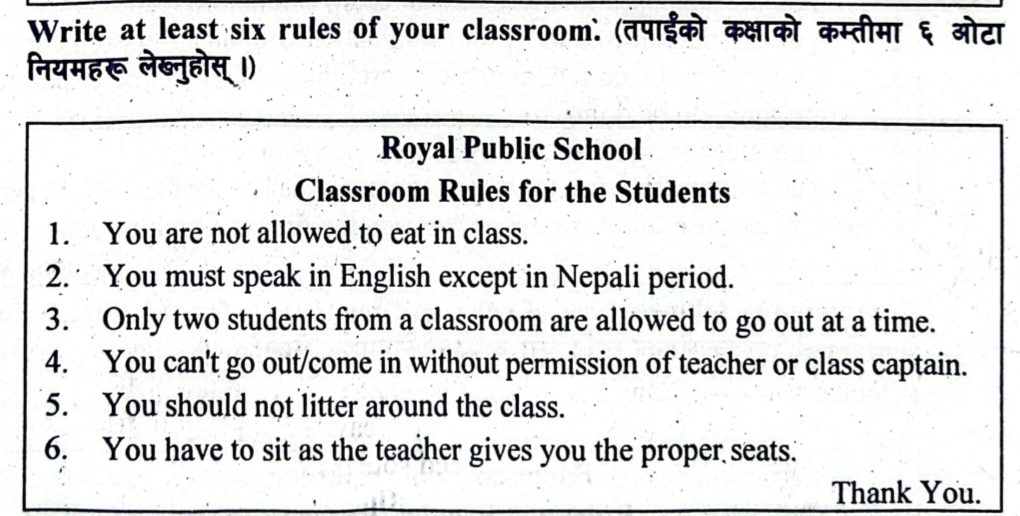
Essential Classroom Rules: At Least Six Core Principles
Based on educational research and classroom experience, here are eight fundamental rules that create an effective learning environment:
Punctuality and Preparedness
Arrive on time with all necessary materials ready. This includes textbooks, notebooks, writing instruments, and completed homework. Punctuality teaches time management skills and shows respect for the learning process. Establish a routine where students know exactly what’s expected when they enter the classroom.
Active Listening and Attention
Listen attentively when the teacher or classmates are speaking. Maintain eye contact, avoid distractions, and show engagement through appropriate body language. This rule fosters mutual respect and ensures that everyone’s contributions are valued, creating an inclusive classroom culture.
Respectful Communication
Raise your hand before speaking and wait to be acknowledged. Use polite language and respect differing opinions. This prevents classroom chaos, ensures equitable participation, and teaches students how to engage in constructive dialogue—a crucial life skill beyond the classroom.
Mutual Respect and Inclusion
Treat everyone with kindness and respect regardless of differences. No bullying, teasing, or exclusionary behavior will be tolerated. Create an environment where students feel safe to express themselves, make mistakes, and grow intellectually and emotionally.
Cleanliness and Organization
Keep personal and shared spaces clean and organized. Return materials to their proper places and dispose of trash appropriately. This rule teaches responsibility and creates a pleasant learning environment while reducing distractions caused by clutter.
Academic Responsibility
Complete and submit all assignments on time with your best effort. Take ownership of your learning by asking questions when confused and seeking help when needed. This cultivates a growth mindset and prepares students for future academic and professional responsibilities.
Safety and Following Instructions
Follow all safety protocols during classroom activities, experiments, and transitions. Listen carefully to instructions and ask for clarification if needed. This ensures physical safety and teaches students the importance of following procedures—a skill applicable in various life situations.
Technology and Resource Responsibility
Use classroom technology, books, and materials appropriately and responsibly. Follow digital citizenship guidelines when using computers or tablets. This prepares students for the technological world while ensuring expensive resources are properly maintained for everyone’s benefit.
🎯 Implementing Rules Effectively: Best Practices
1. Involve Students in Rule Creation
When students help create classroom rules, they feel ownership and are more likely to follow them. Begin the school year with a discussion about what rules are needed and why. Guide students toward essential principles while allowing their input.
2. Keep Rules Positive and Clear
Phrase rules positively (“Raise your hand to speak”) rather than negatively (“Don’t shout out”). Positive language creates a more encouraging environment. Ensure rules are specific, observable, and understandable for the age group you’re teaching.
3. Display Rules Prominently
Create visually appealing rule posters and place them where all students can see them. Refer to these displays when reminding students about expectations. Visual reinforcement helps students internalize the rules over time.
4. Be Consistent with Enforcement
Consistency is crucial for effective rule implementation. Apply rules fairly to all students and follow through with established consequences. Inconsistency undermines authority and creates confusion about expectations.
5. Model Expected Behavior
Teachers should exemplify the behaviors they expect from students. Show respect, practice active listening, and follow classroom procedures yourself. Students learn as much from what they see as from what they hear.
6. Regular Review and Reinforcement
Periodically review classroom rules, especially after breaks or when issues arise. Recognize and praise students who follow rules consistently. Positive reinforcement is more effective than constant correction.

⚠️ Common Mistakes to Avoid
Too Many Rules
Having an extensive list of rules can be overwhelming. Focus on 5-8 essential rules that cover broad categories of behavior. Too many specific rules become difficult to remember and enforce consistently.
Negative Phrasing
Rules that begin with “Don’t” or “No” create a negative atmosphere. Instead of “No talking during lessons,” try “Listen quietly when others are speaking.” Positive phrasing guides students toward appropriate behavior.
Inconsistent Enforcement
Applying rules differently to different students or on different days creates confusion and resentment. Establish clear consequences and apply them consistently to build trust and respect.
📊 Age-Appropriate Rule Variations
Classroom rules should be adapted to the developmental level of your students:
| Grade Level | Rule Focus | Example Rules |
|---|---|---|
| Elementary (K-2) | Basic routines, safety, sharing | “Use walking feet,” “Take turns,” “Clean up your area” |
| Elementary (3-5) | Responsibility, respect, organization | “Complete homework daily,” “Respect others’ property,” “Listen first, then speak” |
| Middle School | Accountability, preparation, digital citizenship | “Bring materials to class,” “Use technology responsibly,” “Meet deadlines” |
| High School | Self-regulation, academic integrity, collaboration | “Practice academic honesty,” “Engage in respectful debate,” “Manage time effectively” |
💡 Pro Tips for Successful Implementation
Start Strong, Stay Strong
Establish and enforce rules consistently from the first day of school. It’s easier to maintain high expectations than to try to implement them after patterns of misbehavior have developed.
Connect Rules to Real Life
Explain how classroom rules relate to skills students will need in college, careers, and life. For example, punctuality relates to workplace expectations, and respectful communication relates to healthy relationships.
Involve Parents and Guardians
Share classroom rules with families at the beginning of the year. When parents understand expectations, they can reinforce them at home, creating consistency between school and home environments.
📝 Conclusion: Building a Foundation for Success
Effective classroom rules are more than just a list of do’s and don’ts—they’re the framework for a respectful, productive, and positive learning environment. By establishing at least six clear, reasonable rules and implementing them consistently, teachers create conditions where all students can thrive academically, socially, and emotionally.
Remember that the most successful classrooms balance structure with flexibility, discipline with understanding, and expectations with support. As you develop your classroom rules, focus on creating a space where students feel safe, respected, and motivated to learn.
🔗 Additional Resources
📌 SEO Keywords
classroom rules list
classroom discipline rules
student behavior expectations
school rules and regulations
respectful classroom environment
positive learning environment
class management strategies
teacher guidelines for classroom
educational discipline methods
effective classroom rules
student responsibilities in class
behavior management in classroom
🏷️ Related Tags
classroom discipline
student respect
behavior management
school guidelines
class expectations
aklearningnepal
education resources
teaching strategies
learning environment
classroom management
educational psychology
📚 This Post Category
QUESTION ZONE
Class 10
CLASS 10 ENGLISH
Class 11
Class 11 English
CTEVT
CTEVT FIRST YEARS
CTEVT FIRST YEARS HEALTH SCIENCE
CTEVT HEALTH SCIENCE FIRST YEAR ENGLISH
📘 Latest Related Questions
This comprehensive guide contains approximately 1,200+ words on creating and implementing effective classroom rules. For more educational resources, visit AK Learning Nepal.