
HA Medicine I & Gynecology
UNIT 4: Gastrointestinal Disorders
Second Year Health Science (PCL) | CTEVT Syllabus (2024)

Introduction to Gastrointestinal Disorders
The gastrointestinal (GI) system is essential for digestion, absorption, and elimination. Disorders of this system are among the most common clinical presentations in general practice. This unit covers key GI conditions including peptic ulcer disease, functional bowel disorders like diarrhea and constipation, and important infectious causes such as abdominal tuberculosis. Understanding these disorders is crucial for diagnosis, management, and prevention of complications. – HA Medicine I And Gynecology Unit 4 Gastrointestinal Disorders Notes
Clinical Relevance: GI disorders account for a significant proportion of outpatient visits and hospital admissions. Proper assessment, including a detailed history of pain, bowel habits, and associated symptoms, is the cornerstone of diagnosis.
4.1 Peptic Ulcer Diseases (PUD)
Definitions & Classification
- Gastritis: Inflammation of the gastric mucosa.
- Peptic Ulcer: A break in the mucosal lining of the stomach or duodenum, extending into the submucosa.
- Gastric Ulcer: Ulcer located in the stomach.
- Duodenal Ulcer: Ulcer located in the first part of the duodenum.
- Esophageal Ulcer: Ulcer occurring in the lower esophagus.
Key Etiology
- Helicobacter pylori infection (Most common cause)
- Chronic use of NSAIDs (e.g., Aspirin, Ibuprofen)
- Stress (Critical illness, burns)
- Smoking and excessive alcohol intake
- Hypersecretory states (Zollinger-Ellison syndrome)
Pathophysiology Snapshot
An imbalance between aggressive factors (HCl acid, pepsin, H. pylori) and defensive factors (mucous layer, bicarbonate, prostaglandins). NSAIDs inhibit cyclooxygenase-1 (COX-1), reducing protective prostaglandins.
Clinical Features & Diagnosis
| Feature | Gastric Ulcer | Duodenal Ulcer |
|---|---|---|
| Pain Relation to Food | Pain worsens with or soon after eating | Pain occurs 2-3 hours after meals; relieved by food |
| Common Symptoms | Nausea, vomiting, weight loss, bloating | Epigastric burning, night pain, heartburn |
Investigations: Upper GI Endoscopy (Gold Standard), Urea Breath Test/Stool Antigen for H. pylori, CBC (for anemia), Stool for Occult Blood.
Management & Prevention
Medical Therapy:
- Eradication Therapy (for H. pylori): PPI + Clarithromycin + Amoxicillin/Metronidazole (Triple therapy for 14 days).
- Acid Suppression: Proton Pump Inhibitors (PPIs like Omeprazole) or H2 Receptor Blockers (Ranitidine).
- Lifestyle: Avoid NSAIDs, smoking, alcohol. Encourage small, frequent meals.
- Surgical: Required for complications like perforation, obstruction, or uncontrolled bleeding.
Mnemonic for PUD Complications: “BOP” – Bleeding, Obstruction, Perforation.
4.2 Diarrhea, Constipation, and Vomiting
Definitions and Causes
Diarrhea
>3 loose stools/day.
Causes: Viral (Rotavirus), Bacterial (E. coli, V. cholerae), Protozoal (Giardia), Drugs, Malabsorption.
Constipation
Infrequent, difficult passage of hard stools.
Causes: Low fiber, dehydration, inactivity, drugs (opioids), hypothyroidism.
Vomiting
Forceful expulsion of gastric contents.
Causes: Gastroenteritis, CNS disorders, pregnancy, intestinal obstruction.
Assessment of Dehydration (WHO Classification)
| Sign/Symptom | No Dehydration | Some Dehydration | Severe Dehydration |
|---|---|---|---|
| Mental Status | Normal | Restless/Irritable | Lethargic/Unconscious |
| Skin Turgor | Instant recoil | Slow recoil | Very slow (>2 sec) |
| Thirst | Normal | Thirsty | Drinks poorly/unable |
Management Protocol
A. Oral Rehydration Therapy (ORT): First-line for mild-moderate dehydration. Use WHO-ORS.
B. Intravenous Therapy (for Severe Dehydration): Immediate rapid infusion of Ringer’s Lactate or Normal Saline (20-30 ml/kg within 30-60 mins), then reassess.
C. Zinc Supplementation: For children with diarrhea, reduces duration and severity.
D. Treat Cause: Antimicrobials only for specific bacterial causes (e.g., Cholera, Shigella).

Prevention: Safe water, hand hygiene, proper sanitation, rotavirus vaccination.
4.3 Abdominal Tuberculosis
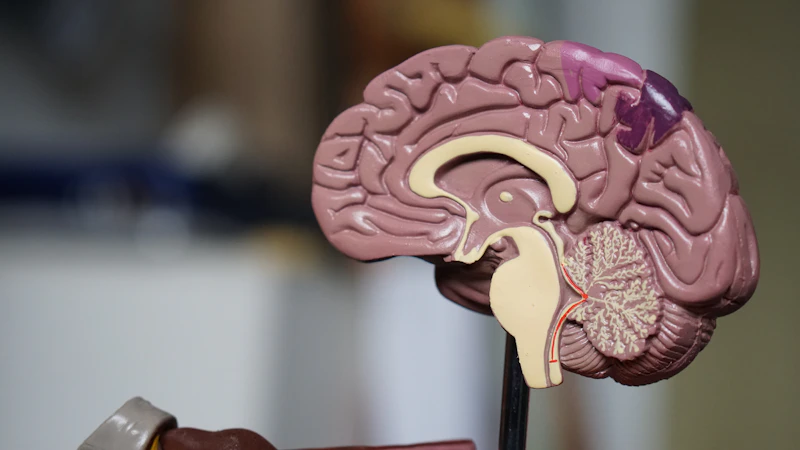
Illustrative representation of the GI tract, common site for abdominal TB.
Definition: Infection of the gastrointestinal tract, peritoneum, lymph nodes, or solid organs by Mycobacterium tuberculosis.
Clinical Features
- Chronic or intermittent abdominal pain
- Fever, night sweats, weight loss (Constitutional symptoms)
- Altered bowel habits (Diarrhea or Constipation)
- Abdominal distension (due to ascites or obstruction)
- Palpable abdominal mass (matted loops, lymph nodes)
- Features of malabsorption or intestinal obstruction
Pathogenesis & Forms
Spread: Hematogenous, lymphatic, or ingestion of sputum from pulmonary TB.
- Ulcerative: Multiple superficial ulcers in ileum.
- Hypertrophic: Fibrotic reaction mimicking carcinoma.
- Stricturing: Fibrotic strictures causing obstruction.
- Peritoneal: “Dry” with adhesions or “Wet” with ascites.
Investigations and Management
Diagnostic Tests
- Imaging: CXR, USG/CT Abdomen (showing ascites, lymph nodes, thickening).
- Microbiology: Ascitic fluid ADA (>36 U/L suggestive), Culture/PCR.
- Histology: Laparoscopic/Colonoscopic biopsy showing caseating granuloma.
- Others: Mantoux test, IGRA.
Treatment (DOTS Strategy)
First-line ATT: 2HRZE / 4HR (6 months standard).
Supportive: Nutritional support (high-calorie, high-protein).
Surgical: For complications like obstruction, perforation, fistula.
Complications: Intestinal obstruction, perforation, malabsorption, fistulae.
Quick Self-Assessment
Test your understanding of key concepts from this unit.
1. A patient presents with epigastric pain that improves after eating. Which type of ulcer is most likely?
2. What is the first-line management for a child with acute watery diarrhea and SOME dehydration?
Unit Summary & Key Points
Peptic Ulcer Disease
- H. pylori & NSAIDs are main causes.
- Pain patterns differentiate gastric vs duodenal ulcers.
- Endoscopy is diagnostic; treat with PPI and eradication therapy.
Diarrhea & Dehydration
- Assess dehydration severity using WHO criteria.
- ORT is cornerstone of management for mild/moderate cases.
- IV fluids for severe dehydration.
Abdominal TB
- Suspect in chronic abdominal pain with constitutional symptoms.
- Diagnosis often requires biopsy for granuloma.
- Standard ATT for 6 months is treatment mainstay.
Download Comprehensive Notes
Get a printable PDF version of these notes for offline study. – HA Medicine I And Gynecology Unit 4 Gastrointestinal Disorders Notes
Medicine I & Gynecology – Unit Wise
Past Year Questions
Important Questions